
 By Alex James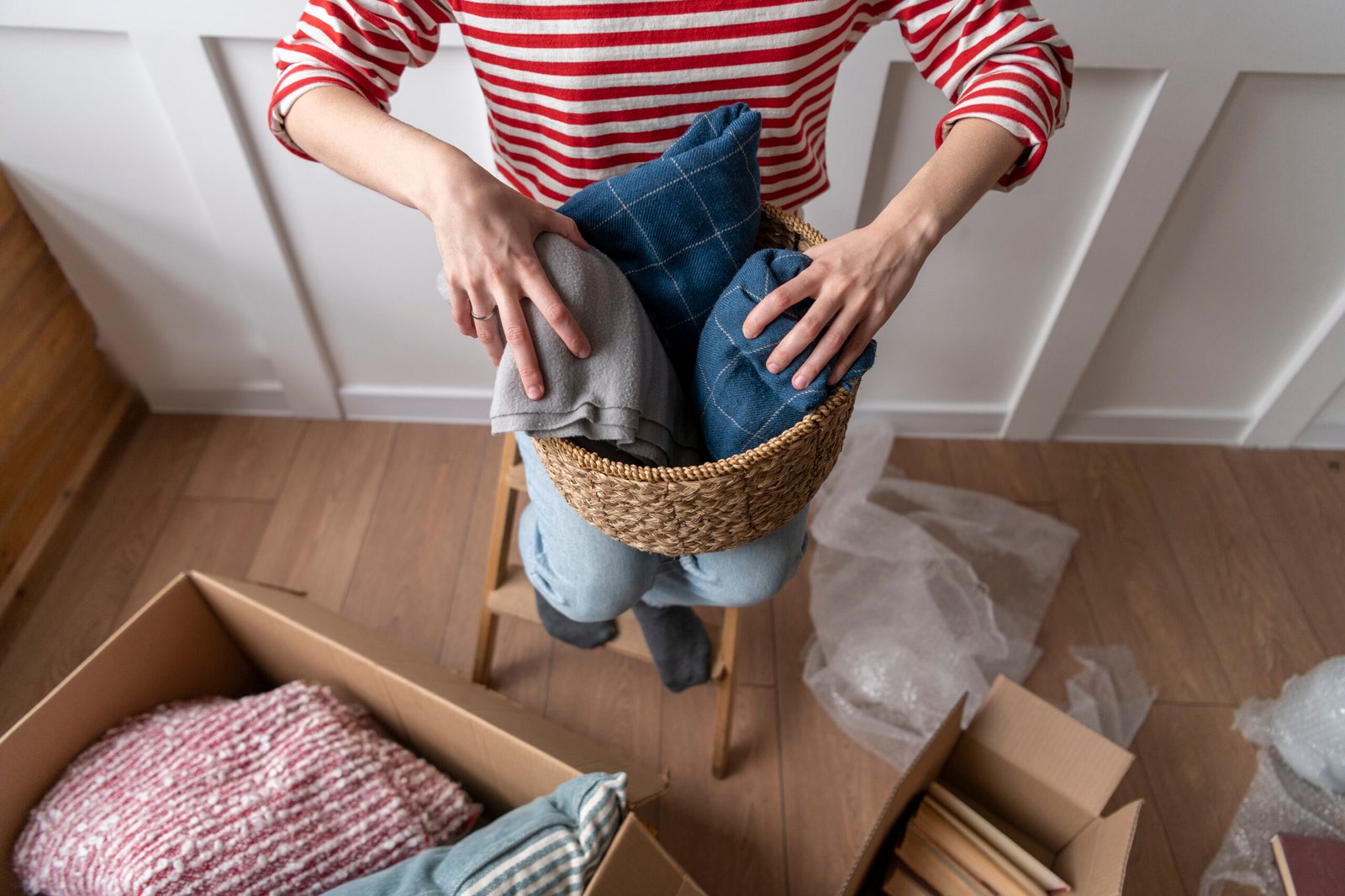
A short decluttering session helps you clear space fast. You remove items that slow you down. You create order in a room without feeling tired. Many people use this routine to control daily mess. You can do the same in your home. Neon Shapes recently shared how quick rounds of decluttering help people keep rooms functional. This shows the value of short, focused action.
Why a 15 Minute Declutter Works
You finish the task because you give yourself a fixed time. You avoid overwhelm. You see progress quickly, which motivates you. A short session fits into your routine even on busy days. You can do it in the morning before work or in the evening before bed. The key is to focus on small sections of the room.
Pick One Small Area
You pick one shelf, one drawer, or one corner. You avoid spreading items across the room. You give full attention to one space. This keeps the process simple. Start with the space that bothers you the most. You will see results faster, and it will improve your mood.
Use a Timer
Set a timer for 15 minutes. This keeps you on track. You avoid distractions. You move quickly because you know the timer is running. Many people finish more in these minutes than they expect.
Prepare Three Bags or Boxes
Use three bags labeled keep, toss, and give away. This layout helps you make quick choices. You do not think too long. You pick one item at a time and move it to the right bag. You keep what you use. You remove damaged items. You give away things that can help someone else.
Clear Visible Surfaces First
Start with items on tables, counters, and open shelves. These areas make the room look messy fast. When you clear them, the space looks cleaner instantly. You feel more control over your environment.
Remove Items You Do Not Use
Pick items you have not used in months. Remove them from the space. You free up room for things you actually need. This step creates a clear difference in minutes. You see more open space and feel lighter.
Clean As You Declutter
Wipe surfaces where needed. Dust shelves before placing items back. Keep a small cloth nearby. You avoid leaving dust behind. This makes the space look fresh.
Sort Papers Quickly
Paper piles grow fast. You spend one minute sorting them. Keep important papers, recycle the rest. Avoid stacking papers in new places. Give them a proper home.
Focus on Function
Your goal is a space that works well. Place items where you use them. Keep daily items within easy reach. Store seasonal items in higher or lower spots. This simple structure saves time every day.
Place Everything Back Neatly
Put the keep items in clean sections. Leave space between items. This makes the area look organized. You avoid stuffing items together. Neat placement helps you maintain the space longer.
Stop When the Timer Rings
You stop right when the timer ends. This gives you a sense of achievement. You avoid feeling tired or bored. You can repeat the session later or the next day.
Do One 15 Minute Session Daily
A short daily round can change any room. You build a steady rhythm. You reduce clutter before it grows. Hub Blogging recently explained how daily short routines help readers manage small spaces better. It shows that small steps create real results.
Use a Basket for Out of Place Items
Carry a small basket around the room. Pick items that belong somewhere else. Place them in the basket. After the session, return them to the right spots. This prevents random items from staying on surfaces.
Limit New Items
You reduce future clutter when you limit new items. You buy only what you need. You check space before buying something new. This helps you avoid storing things that serve no purpose.
Create a Small Donation Box
Keep a box in your home for donation items. Place items in it throughout the month. When it fills up, donate it. This keeps your home clean and reduces storage stress.
Set a Simple Weekly Target
Choose one area per week. For example, kitchen drawers one week, your closet the next week. Small steps keep the home clean without pressure. You avoid long sessions and still get strong results.
Track Your Progress
Take a quick photo before and after each session. This shows you the progress. You stay consistent because you see visible results. It builds motivation and gives you a sense of order.
Teach the Routine to Others in the Home
Show your family how the 15 minute process works. Children can declutter toys. Adults can manage shared areas. This creates a team effort. Your home stays clear with less work on your part.
Keep Everyday Items in Assigned Spots
Assign a place to keys, wallets, chargers, and mail. You reduce clutter that builds on tables. You find items faster. This routine gives structure to your day.
Use Storage Items You Already Have
You can use small baskets, jars, or boxes you already own. You do not need new storage products. Reusing items saves money and space. It also helps you finish the session faster.
Avoid Overfilling Drawers
Leave some space inside drawers. This improves airflow and makes items easy to access. You find things faster. You avoid stress when opening drawers.
Organize by Purpose
Group items by category. Keep similar things together. This method helps you see what you have. You avoid buying duplicates. It also speeds up daily routines.
Refresh Spaces Weekly
Spend a few minutes each week checking your organized areas. Remove anything out of place. This keeps your home clean without long cleaning hours.
Review Your Stuff Every Quarter
Check your items every three months. Remove unused things. This prevents clutter from coming back. It maintains the order you create.
The Long Term Impact of 15 Minute Decluttering
This routine improves focus. It reduces stress. It gives you a clear room that supports your daily activities. You gain more space for things you enjoy. Blogging Fort recently highlighted how short cleaning routines improve home flow, which supports long term comfort. Short steps lead to a stable, organized home.